


The Idea Behind Contrima
It began with the desire to simply share pictures.
In the summer of 2024, I spent seven weeks traveling by motorcycle through Ireland and Scotland. Along the way, I took many portraits of people I struck up conversations with. They often asked, “Can you send me the photo?” In the evenings, I had to match email addresses and WhatsApp contacts to the photos. With several encounters a day, that quickly became tedious and hard to keep track of.
And how was I allowed to use the photos myself? After the trip, I looked for a suitable solution but couldn’t find one.
I wanted to be able to simply hand over a card, even without cell service. A single platform would bring together photo sharing and an agreement on image use for spontaneous encounters. That became Contrima.
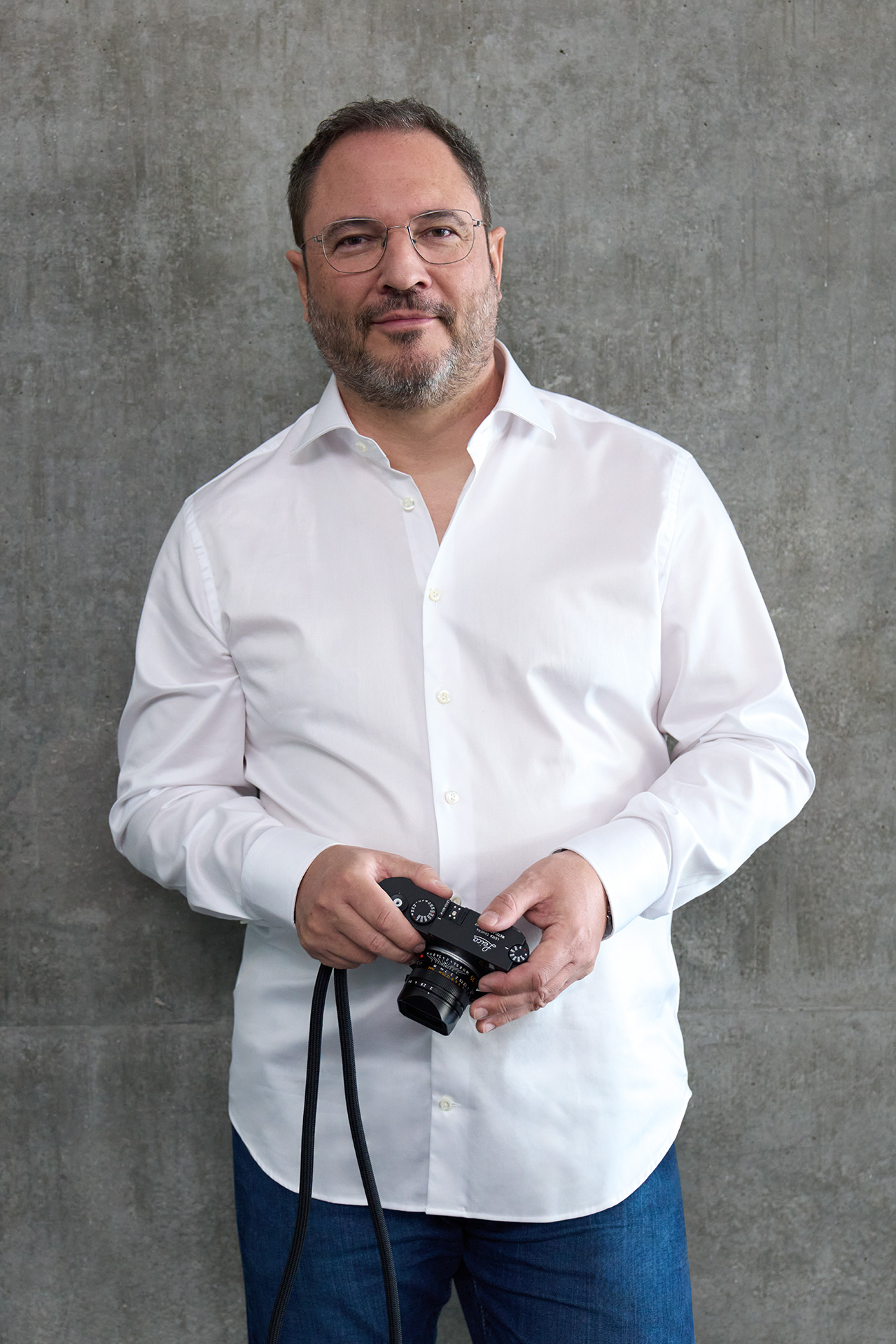
Both sides of the camera.
It was important to me that Contrima be fair to both sides. Our “Artistic Use Consent” allows photographers to show their images in a portfolio or exhibitions, for example, and to sell them as prints. Advertising and campaigns are deliberately excluded.
The agreements take different jurisdictions into account and are intended to be understandable across language barriers. Contrima takes particular care to protect minors: parents or legal guardians are involved in the necessary decisions.
Beyond the encounter.
After a spontaneous encounter, both people go their separate ways. But that doesn’t have to mean losing touch: photographers receive the photographed person’s email address after the agreement is finalized; their own contact details are listed on their Showcase page. This allows both parties to contact each other directly later on to make individual arrangements for uses in advertising or campaigns—beyond the “Artistic Use Consent.”
It should also be straightforward to ask questions or withdraw consent later on. Contrima documents the agreements, records withdrawals of consent submitted through the platform, and informs those involved.